
News
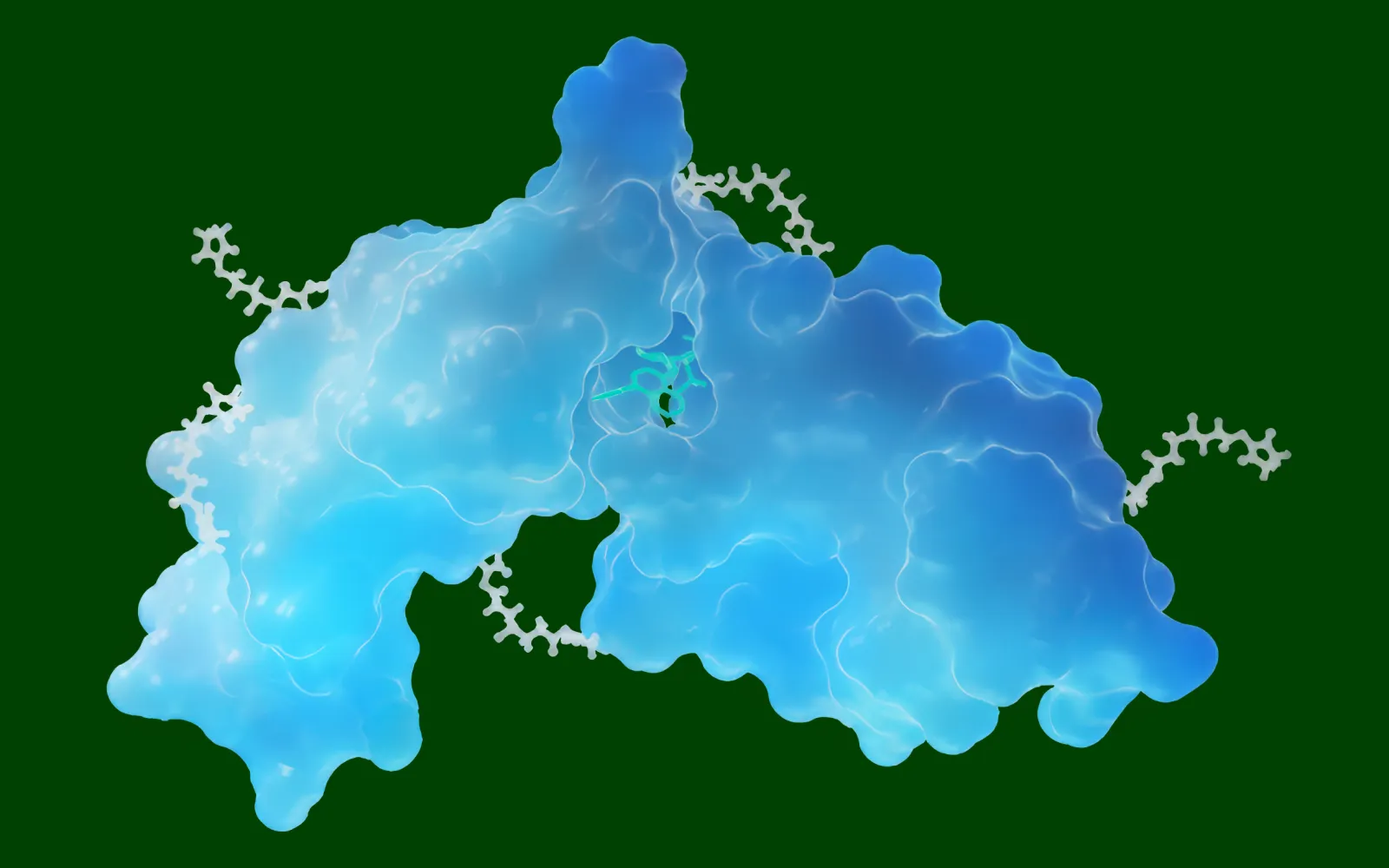
“Molecular glue” compounds and other proximity modulators, such as PROTACs, are potentially powerful medicines because they can induce or block the formation of the protein complexes that act as signals directing many cellular functions (or malfunctions). To date, however, there’s been no systematic way to identify or design such proximity-based therapeutics. Proxima is changing that, using a vast, proprietary atlas of protein cross-linking data to train state-of-the-art machine learning models. These models can simultaneously simulate how proteins co-fold and design small molecules that can slip between them and change their functions.
Transforming biology from a science into engineering
Using AI models trained on digital pathology images to help oncologists make smarter cancer treatment decisions
Creating a software co-pilot for drug development and a new marketplace for investors and outsourced R&D and manufacturing
Using self-supervised machine learning to map the circuit diagram of tumor biology and develop new immunotherapies for cancer



