
Equilibrium Energy
Developing a grid optimization trading platform
The 2025 edition of the DCVC Deep Tech Opportunities Report, released in June, explains the global challenges we see as the most critical and the possible solutions we hope to advance through our investing. This is a condensed version of the third section of the report’s third chapter.
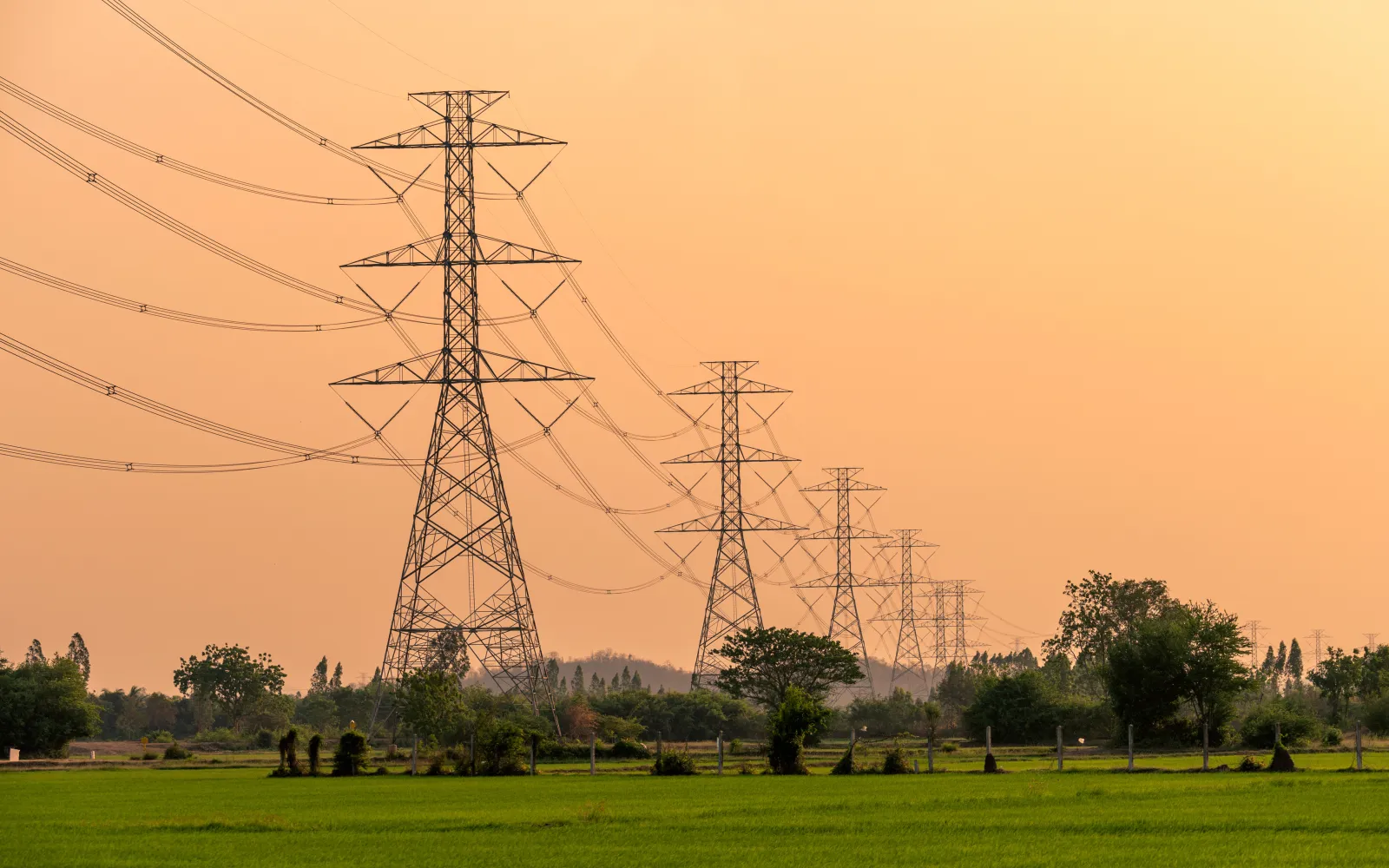
In each of the last four decades, the frequency, severity, and cost of floods, cyclones, droughts, heat waves, wildfires, freezes, and compound weather disasters have steadily risen. Between 1980 and 2024, the United States suffered an average of nine weather events per year with losses exceeding $1 billion; but in 2024 alone there were 27 such disasters. The U.S. energy grid, much of which was built in the 1960s and 1970s, wasn’t designed to withstand these kinds of challenges, which can cause catastrophic damage to pipelines and transmission lines.
One way to make the grid smarter and more resilient is to build energy storage facilities that can charge up when electricity is cheap and abundant and feed electricity back into the grid when it’s needed — whether to supply emergency power during outages, shore up supply at times of peak demand, or simply fill in for renewable power when the sun isn’t shining or the wind isn’t blowing. Thanks to innovation and economies of scale in the electric vehicle business, the price of lithium-ion batteries has been dropping rapidly, making it cheaper for companies to lash hundreds or thousands of batteries together to build such utility-scale storage facilities.
Even so, there’s a need for more financing for these large battery projects. That’s where Equilibrium Energy comes in. The Texas-based company was founded in 2021. CEO Ryan Hanley, a veteran of Tesla’s grid battery division, saw a need for a new type of contract to accelerate battery deployment, similar to the power-purchase agreements that have boosted progress in the wind, solar, and next-generation nuclear industries. Under Equilibrium’s so-called tolling agreements, the company pays battery owners for the right to manage their facilities and bid the power into wholesale electrical markets. Sophisticated predictive modeling of supply and demand allows the company to buy and sell this power at the most profitable times.
A facility under Equilibrium’s management in Texas was the state’s top-performing battery by revenue in 2024, and now the company is offering more types of energy portfolio management and expanding into California, where it expects that its combination of power-system modeling and machine-learning techniques will offer battery owners predictable revenue and make grid storage look like a safer investment. “Unless you have the real-time data, it’s hard to understand how the grid is actually performing,” says DCVC general partner Milo Werner. “With grid transparency you increase the capability of simulating it and managing it more effectively.”
Another DCVC-backed company working to counter energy market volatility is ElectronX. In regions like California and Texas where there are lots of wind and solar facilities, variable factors such as bad weather and the number of hours of daylight can cause spot prices for electricity to swing wildly. “In the same day, it can go from a couple hundred dollars [per kilowatt-hour] on the negative side to a couple hundred dollars on the positive side,” notes DCVC general partner Ali Tamaseb. “It’s even more volatile than crypto. And one of the reasons is that there aren’t enough financial products to smooth out the markets.” ElectronX is building a digital financial exchange, recently granted Designated Clearing Organization and Designated Contract Market status by the Commodity Futures Trading Commission, that will offer short-duration derivatives designed to help investors hedge against electricity price risks on an hour-by-hour basis. “It enables people to put more money to work building renewable assets — battery storage, solar, everything — if they know they’re not going to get screwed,” Tamaseb explains. “It makes it a normal, predictable business. Anything that helps the grid to transition to this new world of renewables is good in our minds.”
Grid management and optimization is an example of a DCVC investing area that makes sense even in an era of shifting government policy on renewables and clean energy. “The core thesis at Equilibrium and ElectronX is that the electrical grid is volatile and will keep getting more volatile, and that is still true,” Slaybaugh says. “We don’t see a real risk for them in a future without the Inflation Reduction Act or with tariffs. In fact, if there’s less financial support for clean energy, it becomes even more important for those existing assets to operate effectively — and so the need for grid management goes up.”