
Radiant
Building a portable nuclear microreactor to replace diesel generators
When I first heard someone say “nuclear renaissance” about what is happening right now I cringed and said, “Don’t jinx us,” but I may have to change my tune. What is happening in the nuclear energy sector today is unprecedented, or at the least hasn’t happened in 60 years, and I am excited.
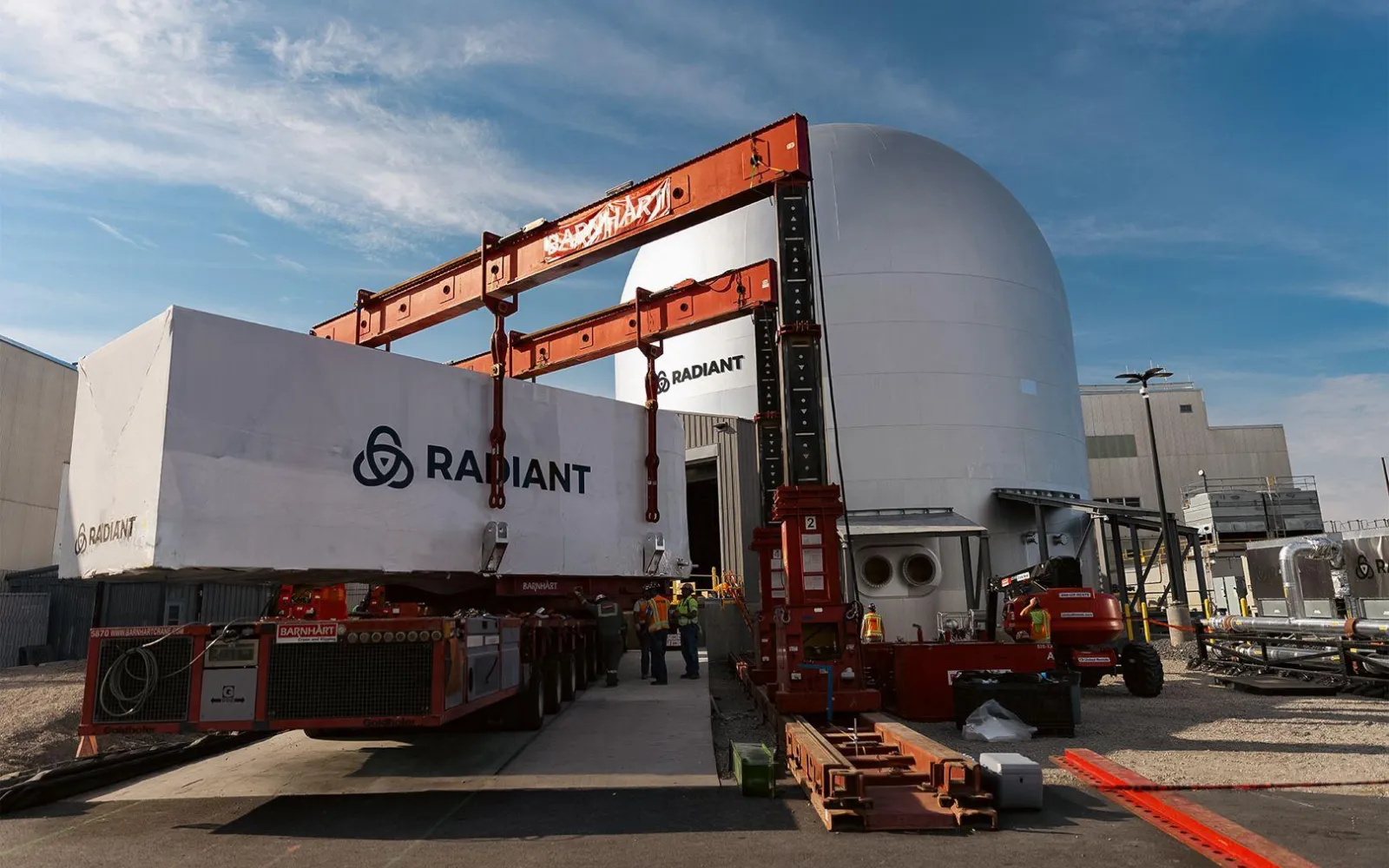
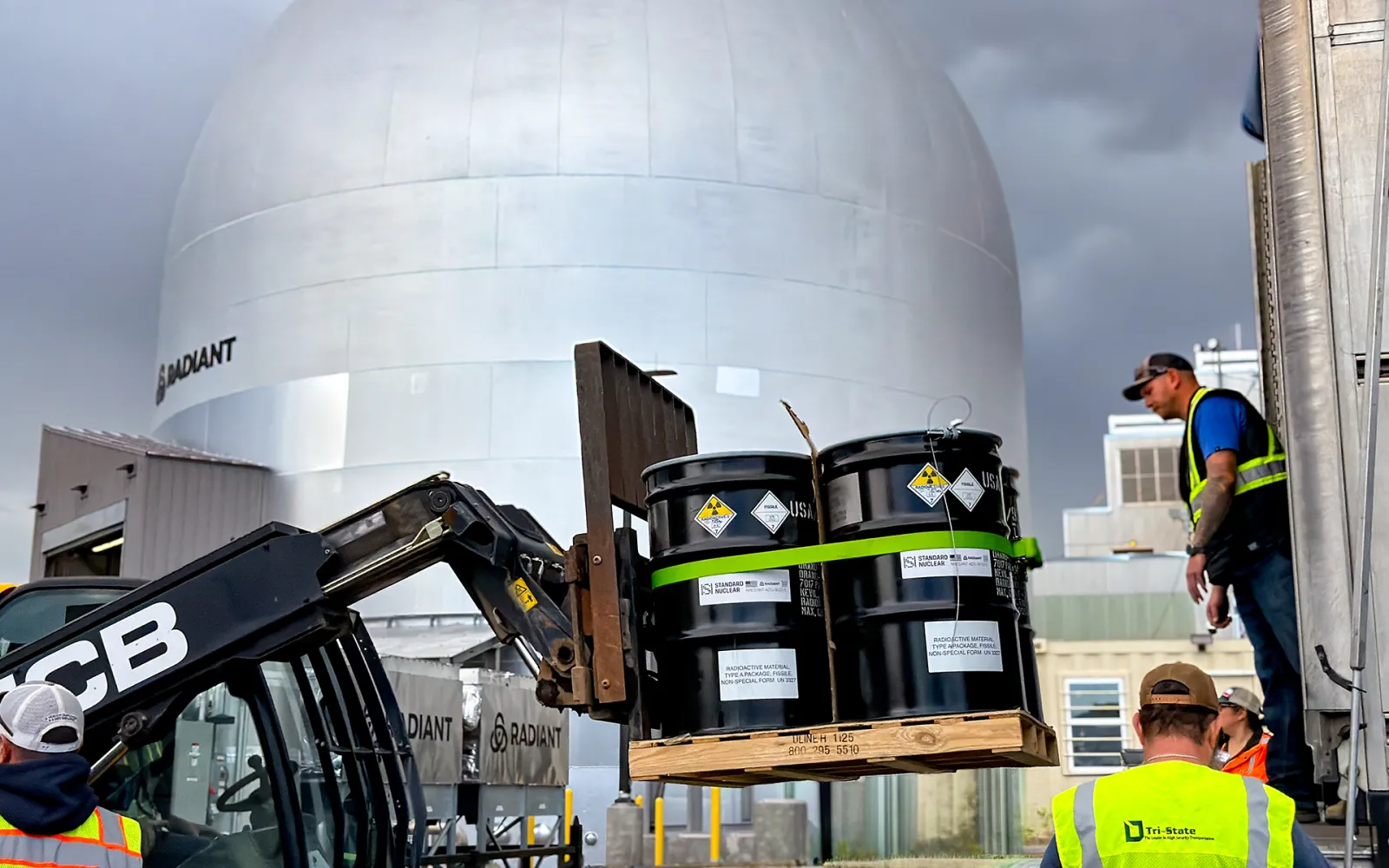
Radiant, a company we back, is turning on a full-scale, full power reactor soon in the DOME facility at Idaho National Laboratory. This will be the first full-power advanced reactor to operate outside of China. I honestly was not sure I would see this day in my career. But let me back up a moment.
When I first became a nuclear engineer in the early 2000s, it was during a purported nuclear renaissance. Natural gas was averaging $6-$8/MMBtu and we thought for sure carbon pricing was coming. Traditional nuclear vendors designed updated, simpler, safer light water reactors, and applications for 30+ plants were under review using a new NRC licensing framework. Then, hydraulic fracturing revolutionized natural gas production — driving the prices down and the domestic availability up — and we also experienced a global recession that clamped electricity demand down. In the end, we only built two new reactors, and they turned out to be massively over budget and schedule. A real dud of a renaissance.
So when people started saying nuclear renaissance again, I did not like it.
However, this is different.
For the first time in decades, electricity demand is increasing, and fast. You’ve all heard about it. AI and data centers are driving this as well as reindustrialization and electrification of everything. The characteristics of these electricity uses is also distinct, with firm, highly reliable, always-on power being preferred and prioritized. Some people do still care about climate change and air pollution, so having clean, firm power is incredibly high value right now as well.
Nuclear energy, which provides clean firm power, is poised to step into this demand because people have been getting ready for this moment: regulatory improvements, advanced design development, policy support, and so on. The groundwork to allow nuclear to move quickly now was laid by a handful of people and groups over the last decade or so (you know who you are). The culmination of dedicated work and skyrocketing need has created an unprecedented opportunity, and the nuclear industry is stepping into it.
New advanced reactor technologies are being built, not just designed, in the U.S. Several small modular reactors, like Kairos, X‑Energy, and TerraPower, have construction permits from the NRC and are building. Supply chain components are funded and expanding: Centrus, General Matter, and Orano are building out the ability to enrich uranium to the desired levels; groups like Standard Nuclear, Oklo (also backed by DCVC), and Kairos+BWXT are manufacturing advanced fuel forms. Multiple microreactors are reaching some level of criticality (when a nuclear fission chain reaction takes place at steady state) this year, a huge milestone. Let me repeat that — totally new reactor designs are turning on.
All of this activity, including Radiant’s massive accomplishment, is an actual nuclear renaissance. New things are happening. And while all of these technologies are ideas that were conceived of and tried in the ’50s and ’60s, innovation in compute, materials science, manufacturing, controls, and so on are what are making them viable today.
So, go ahead, please do call it a “nuclear renaissance.”