

Kanvas Biosciences
Mapping the microbiome to improve human health
Ever since the genomics revolution revealed how reliant the human organism is on its microscopic microbial cohabitants, the microbiome has been medicine’s most elusive frontier, promising better health if only we could untangle the trillions of interactions that influence nearly every facet of our physiology. But until now, effective medicines that harness the microbiome have been rare. Because of the diversity of microbial species and the complexity of host-to-microbe interactions, as well as the lack of a reliable, easily manufactured drug modality (the package that delivers a medicine’s therapeutic effect), the microbiome has been hard to treat, despite its importance to functions like immune response. Microbiome science has disappointed patients, doctors, founders, and investors.
That’s why DCVC is so excited about the cascade of recent developments at Kanvas Biosciences, which is moving the field beyond descriptive profiling of the microbiome to translating comprehensive biochemical insights into clinically useful products. In the past few weeks, the Princeton-based spatial biology company has kicked off a Phase 1 clinical trial for its first drug candidate, secured significant new backing from the Gates Foundation (closing a $48 million Series A financing, bringing Kanvas’s total funding to $78 million), and bolstered its scientific leadership by adding one of the most respected names in bioengineering to its board.
Clinical milestone
The most significant milestone in Kanvas’s evolution is the dosing of the first patients in a Phase I clinical trial for KAN-004. This live biotherapeutic product (LBP), resembling an ordinary pill, treats the colitis that many cancer patients develop after receiving immune checkpoint inhibitors (ICIs), allowing them to remain on the life-saving therapy longer.
Later this year, Kanvas will also begin trials of a potential blockbuster immuno-oncology drug, KAN-001, designed to directly improve response rates to ICIs in patients with solid organ cancers. While ICIs like Keytruda — the world’s top-selling drug with $31.7 billion in 2025 revenue — are miraculous medicines that have revolutionized oncology, providing life-changing cures of the hardest-to-treat cancers, only 20 to 40 percent of patients currently respond to such therapies. Kanvas hopes that KAN-001 might double response rates to ICIs, while simultaneously reducing adverse events.
Research has shown that so-called “superdonors” — individuals with exceptionally high microbiome diversity, and who possess specific strains of microbes — respond better to immunotherapy. In collaboration with the University of Texas MD Anderson Cancer Center, Kanvas is using its platforms to isolate, optimize, and synthesize the specific microbial strains active in these high-responding patients, and then manufacture them as LBPs. By administering the strains as a standardized oral drug, Kanvas aims to turn non-responders into responders, and treat patients at scale in a way that fecal transplants (the current modality for microbiome medicines) simply cannot.
The general clinical approach to engineering the microbiome to treat cancer has already been tried and tested, but with a much less attractive medicine. In a recent fecal microbial transfer trial for refractory cancers at MD Anderson, fecal material from the donor who provided the microbial strains in KAN-001 were delivered to participants. Results were promising, including for one colorectal patient who was cancer free for more than two years.
Global impact
Kanvas’ ambitions extend beyond oncology. The company recently announced a new investment from the Gates Foundation to develop the world’s first fully synthetic microbiome replacement for maternal environmental enteric dysfunction (EED), a debilitating intestinal condition, better known as tropical sprue, affecting approximately over 150 million people worldwide, primarily in poor countries in Southern Asia and Sub-Saharan Africa. It causes chronic gut inflammation and nutrient malabsorption, leading to stunted growth and intergenerational health impacts.
By treating expectant mothers with a precision-engineered consortia of native microbial strains, Kanvas aims to improve the health of both mothers and newborns simultaneously. The collaboration with the Gates Foundation highlights the power of the Kanvas platforms. The same engineering mindset used to treat cancer will be deployed to solve one of the world’s most persistent global health challenges, a breakthrough especially pleasing to Kanvas cofounder and CEO Matt Cheng, who is an infectious disease doctor. “As a physician, I spent years watching patients suffer from conditions I couldn’t treat. To suggest that it is a once-in-a-lifetime opportunity to help so many people would be an understatement,” Cheng adds. “To tackle a problem of this magnitude is both a privilege and a responsibility we carry with conviction.”
Resources and talent
Kanvas’s momentum is funded by a fresh $48 million Series A funding round, which DCVC is thrilled to be co-leading (we’ve backed the company since its inception in 2021). The capital will allow Kanvas to continue operationalizing its full-stack strategy, which includes the opening of a state-of-the-art GMP manufacturing suite and an advanced anaerobic fermentation facility in South San Francisco.
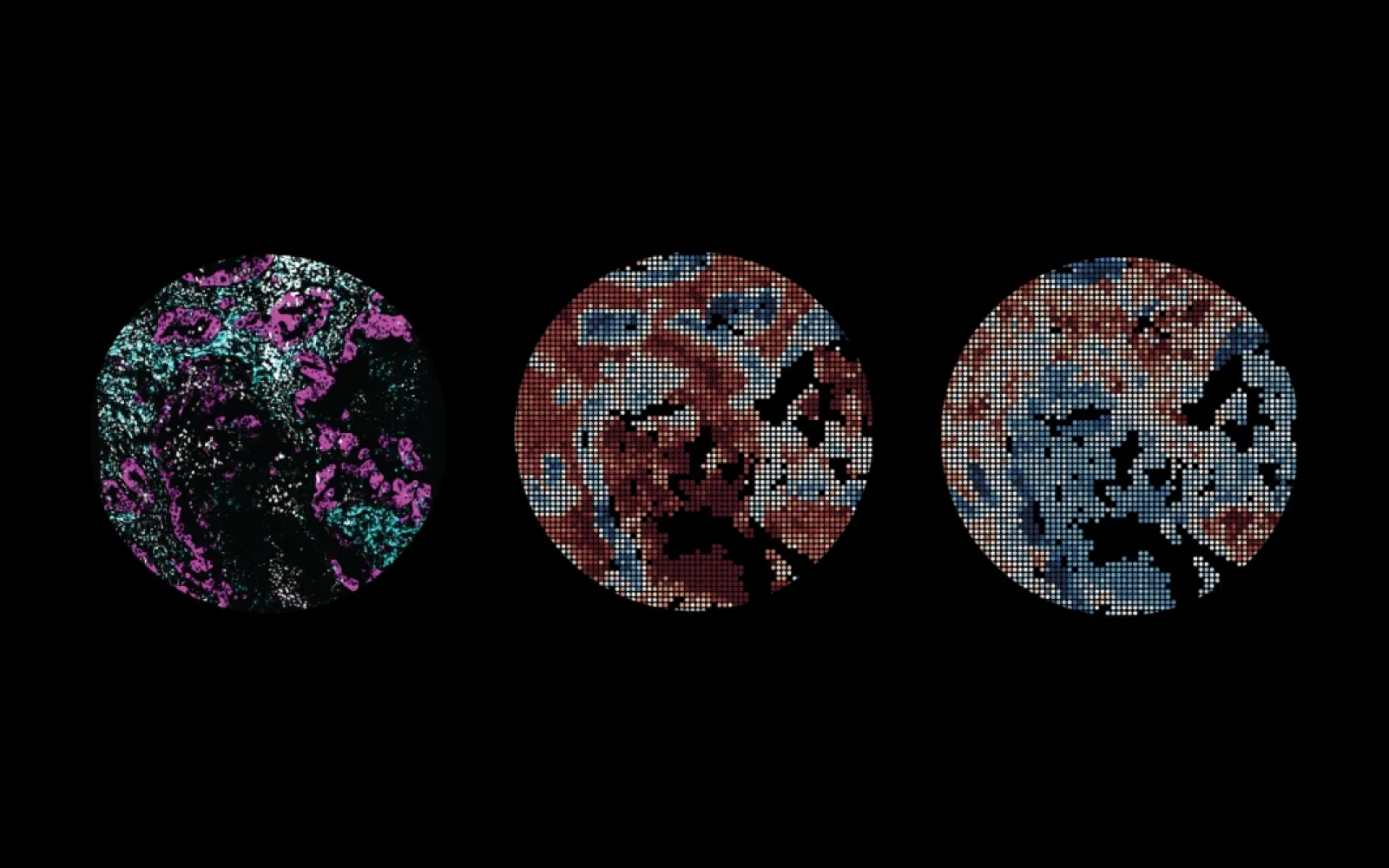
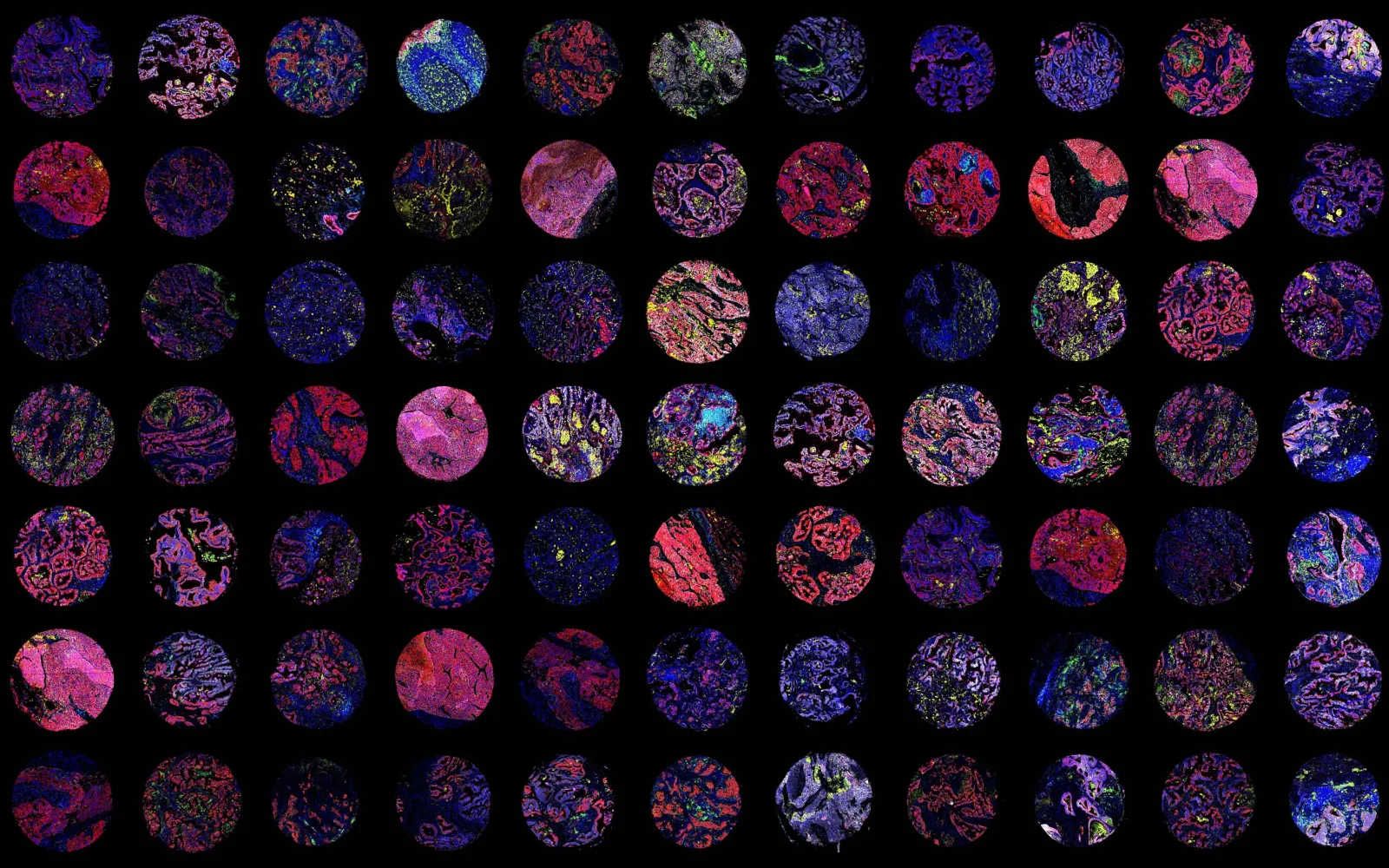
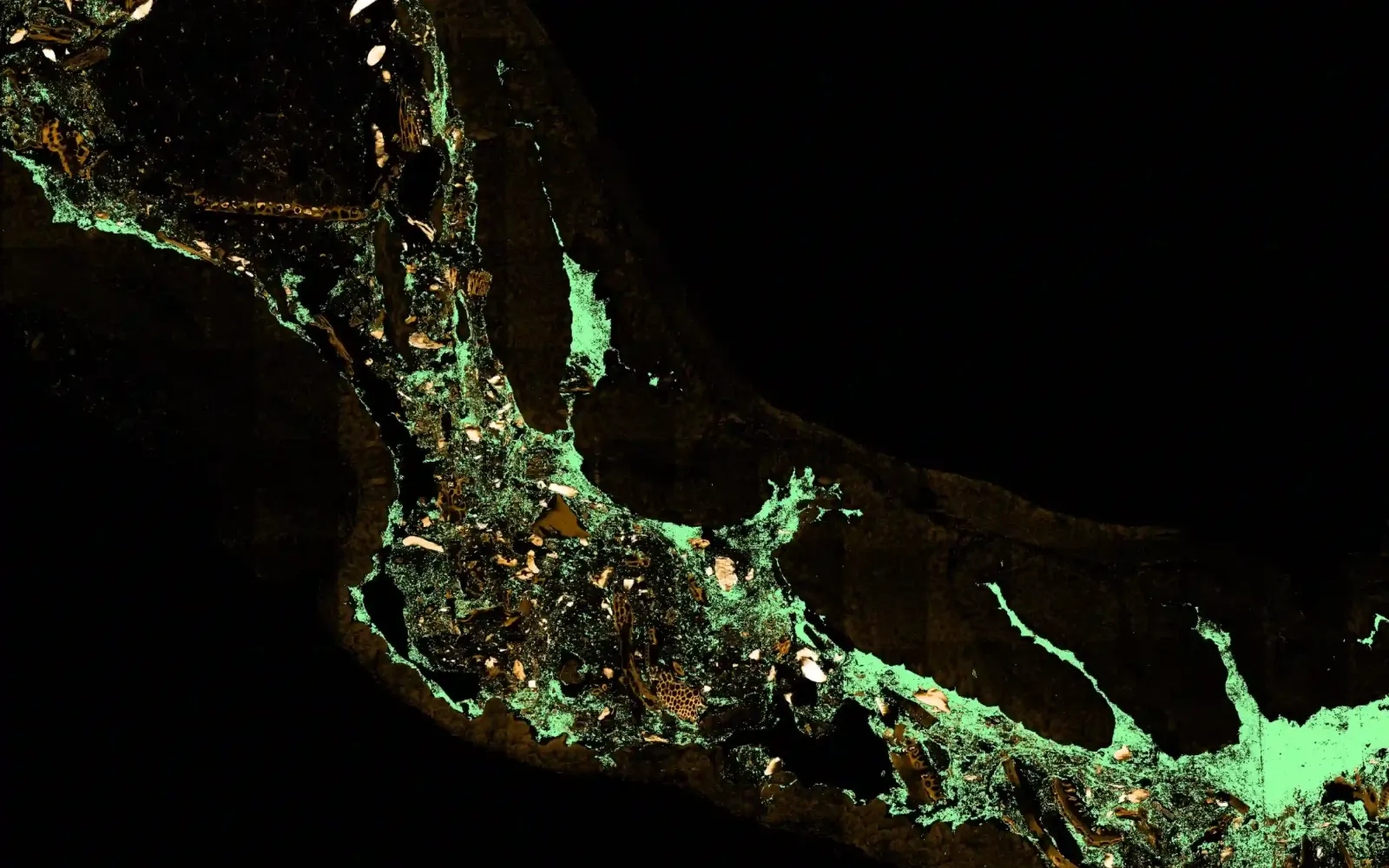
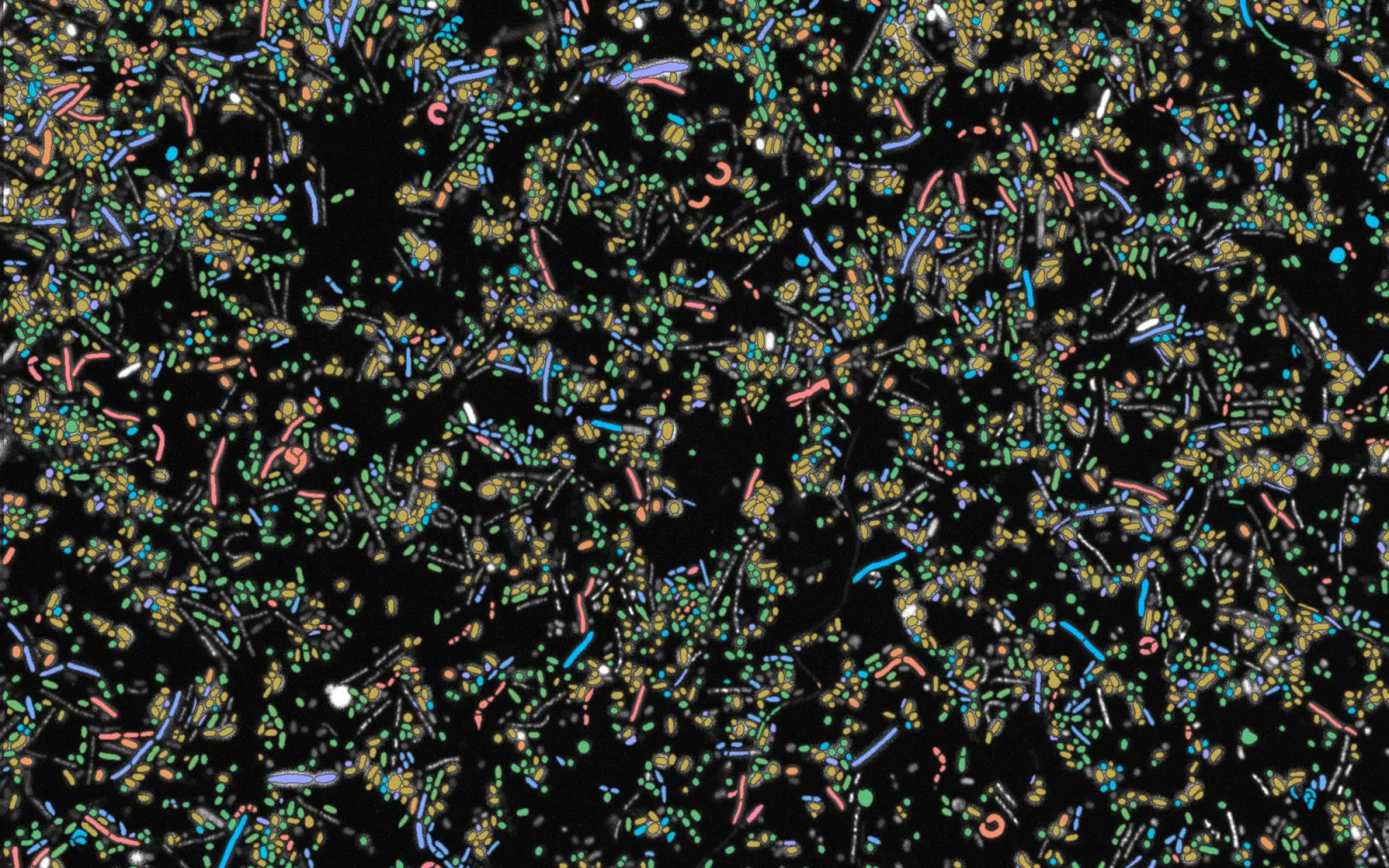
Unlike many biotech firms that outsource production, Kanvas built its own fully anaerobic GMP capabilities to manufacture complex microbial consortia — some containing hundreds of unique members — consistently and at scale, supporting both its own programs and paying customers. This vertical integration is powered by the company’s proprietary microbiome atlas and the Kanvas Spectral Lightsheet, a proprietary high-resolution microscope that generates unprecedented amounts of spatial biology data to train Kanvas’s AI drug-discovery platform.
Finally, Kanvas is furthering its strategic leadership with the appointment of Stephen Quake to its Board of Directors. Quake pioneered the development of microfluidics and its application to DNA sequencing and diagnostics. As the Lee Otterson Professor of Bioengineering and Applied Physics at Stanford University and the former Chief Science Advisor for the Chan Zuckerberg Initiative, Dr. Quake brings unrivaled expertise in scaling transformative biological technologies, and his addition is a true sign of confidence in Kanvas’s ability to unlock the microbiome’s vast potential.
With clinical trials under way, a powerful new global health initiative, and the infrastructure to manufacture its discoveries, Kanvas Biosciences is not just dreaming of a future where a profound understanding of the microbiome is turned into products that promote our health, it is engineering it today.