

TypeSafe
Unlocking AI’s full capability for automation
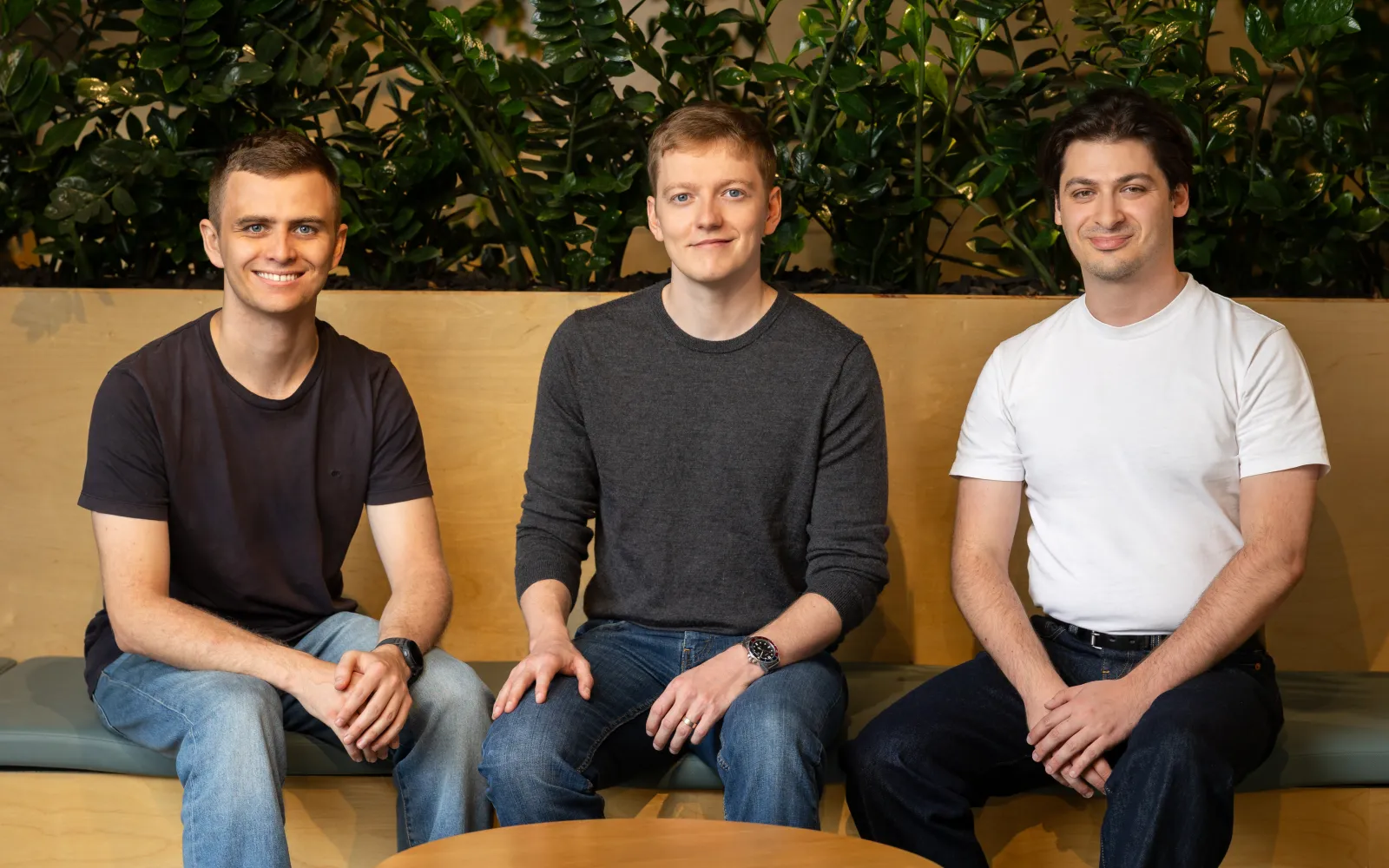
There is a basic weakness at the heart of today’s AI. Products from the big players produce dazzling displays as they try to leapfrog each other on LLM leaderboards, and yet these systems are riddled with holes and problems with reliability. Most disappointingly, the hand-holding required on even the most boring and straightforward tasks is non-negotiable, meaning the kind of no-humans-in-the-loop automation we keep expecting to see sweep through the economy just hasn’t shown up yet. The prospect of flipping that script is why we’re thrilled to be leading the $40 million Series Seed investment into TypeSafe, a new San Francisco-based company stacked with veterans of the world’s top AI research labs that is building a class of models actually optimized for automation. (Forbes coverage here.)
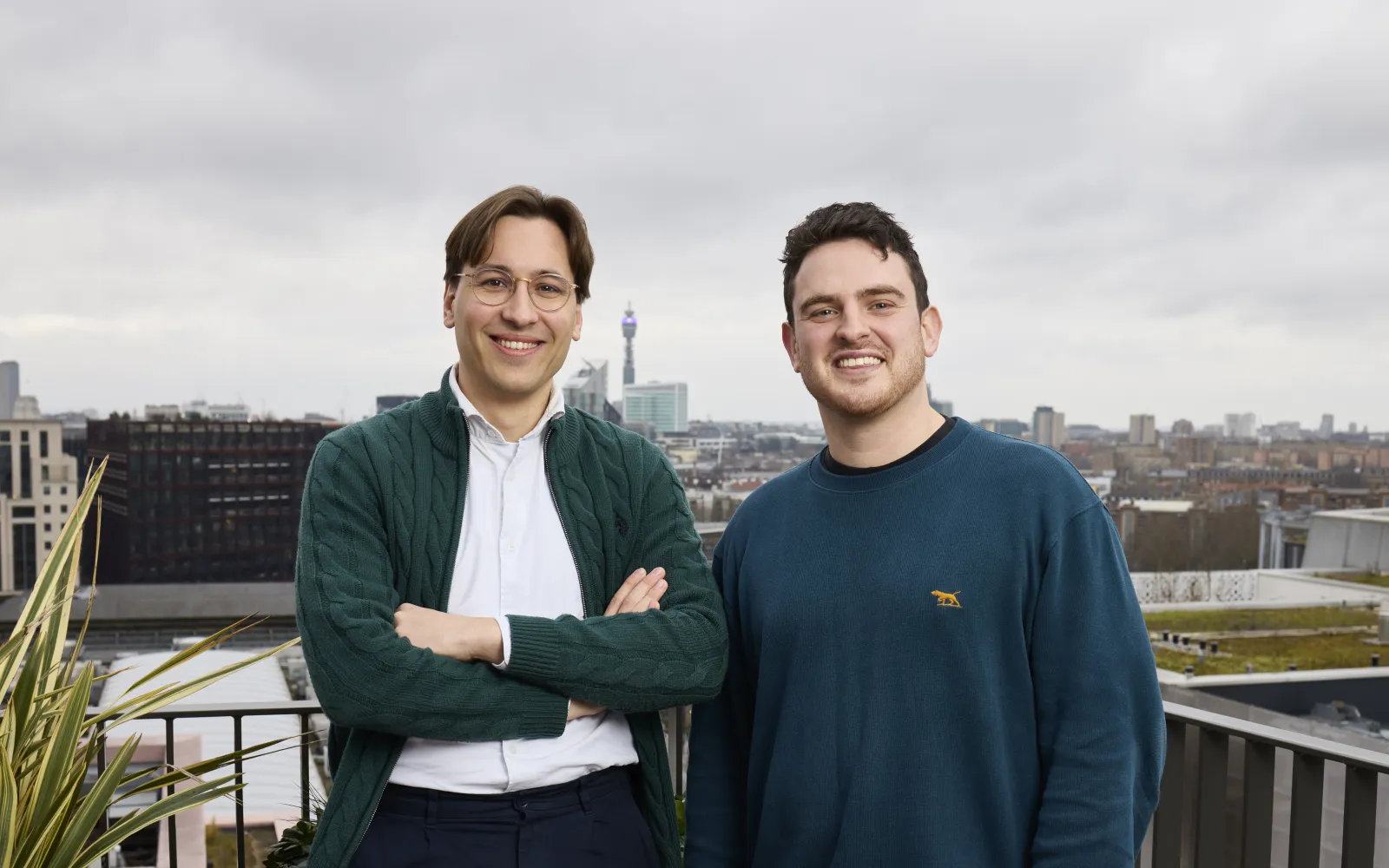
TypeSafe cofounder and CEO Diogo Almeida has a unique perspective on where the field has come from and where it’s going. As a researcher at OpenAI, he co-invented some of the core techniques and products that launched the current boom: InstructGPT, ChatGPT, and GPT‑4. But having been present at the dawn of this new age he’s also well-positioned to see the ways in which current technologies are falling short of their Earth-shattering original promises.
Jev, TypeSafe’s first model, delivers frontier-level intelligence at less than 100 milliseconds of latency and is often 100 times faster and less expensive than other frontier models. Currently available in early access, Jev can process hundreds of outputs in parallel from a single prompt and provides calibrated confidence scores, allowing developers to create new types of AI-powered software that can automate economically valuable work.
We caught up with Diogo before he delivered a keynote technical talk at AI Council based around the characteristically provocative question: Where the f**k is all the automation?
Q. Despite the huge valuations and relentless hype, why is it that in many contexts AI often feels so underwhelming?
A. First, let’s be clear: AI is actually pretty awesome. But today’s version of it is like a drop in the ocean relative to what it can be. We go through these hype cycles, where advances generate excitement and massive overpromise, and then it all comes crashing down and underdelivers. And the leaders in the field have memories like goldfish. Just a few years ago, they were talking about automating half of the economy. Now, it’s “how can we make a hundred billion dollars in revenue?”
Q. You co-created reinforcement learning from human feedback at OpenAI, a main reason why today’s models work as well as they do. What’s needed now to take the next step?
A. Take electricity. It’s as if we invented the light bulb and instead of pushing the technology we just started making everything into lightbulbs. Lightbulbs everywhere! Where the hell is the economic revolution? Think of the path from the discovery of electricity to the birth of electronics. That required ingenuity from people across industries, different ways of thinking, lots of experimentation. What’s powerful about building infrastructure is how pervasive and even invisible it can be, while enabling so much new technology.
Q. How can we start AI down that path?
A. The reason why LLMs work as well as they do is that they’ve been optimized for human-preference, which was a big part of my work at OpenAI. But optimizing for human-preference is why we still need humans in the loop, and that’s also what makes them unreliable without human supervision. Don’t throw the baby out with the bathwater! LLMs have an incredible amount of intelligence locked inside, it’s just been waiting to be optimized for the right task: calibrated decision making and the software-interface. What we need is for intelligence to be a utility, a basic building block of automation. So reliable and composable that it can be stacked, layered and composed to build something that can be run reliably in the background a million times, just like software.
Q. When we have humans-out-of-the-loop automation that is truly reliable, what kinds of applications does that unlock?
A. Anyone who tells you they can predict the details of how the technology future will unfold is lying. Anytime a new general technology has been created, nobody was able to predict what would be built on top of it, including the inventors. One thing I am pretty sure of: in a world where AGI has automated most of the economy, over 99% of AI calls will be made by and for software, not humans. That’s why we’re focused on optimizing AI’s machine-native interface, instead of the human one.
Look, when electric motors first arrived in American factories, engineers didn’t rethink the factory, they just replaced the steam engine at the center with an electric motor and left everything else the same. This led to marginal gains. It took 40 years and a generational shift in thinking before anyone realized the technological advance wasn’t simply a better power source, it was a smaller power source that enabled redesigning the whole floor to have power at every workstation. That’s the leap we’re describing.